
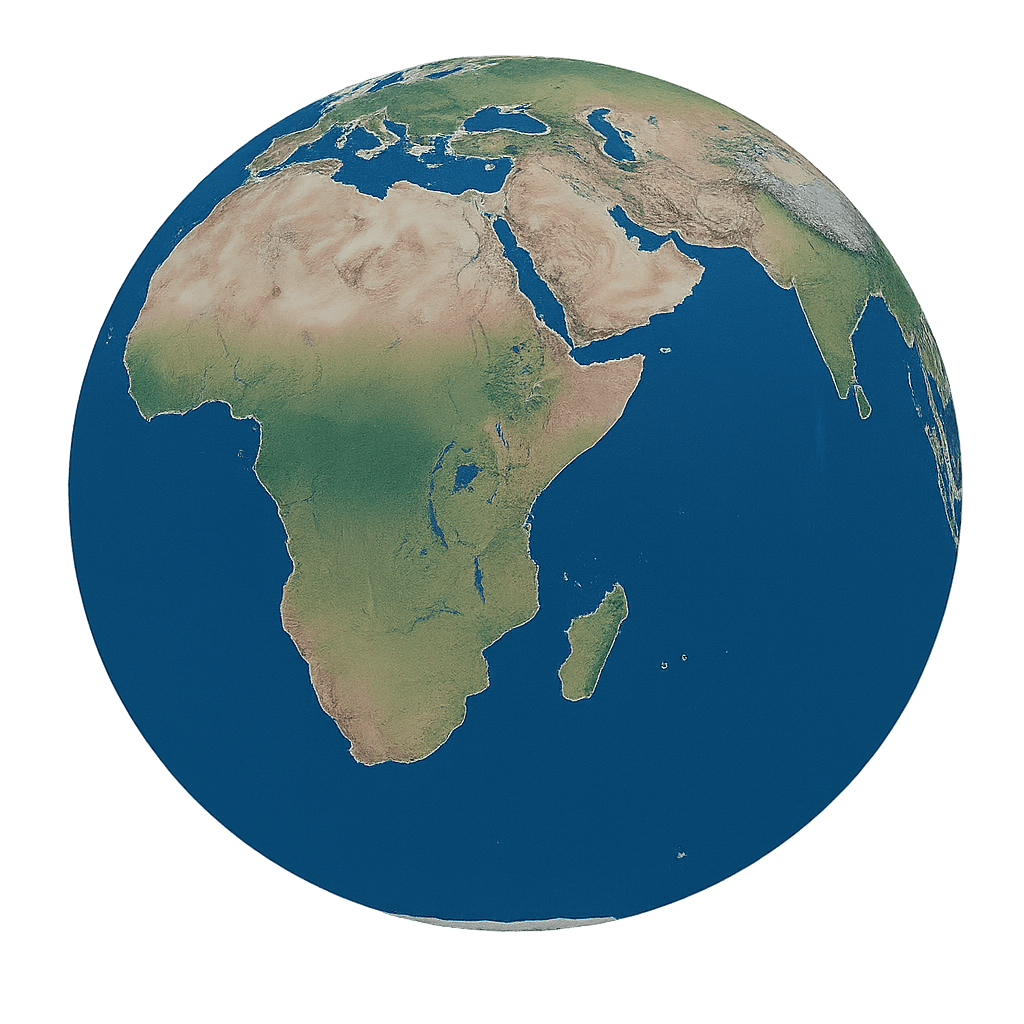
Ebola Crisis Update (Congo): Eastern Congo’s Ebola outbreak is worsening fast. Health ministry data says lab-confirmed cases reached 5,515 and deaths 2,642, with 317 deaths in the past week and a 47.9% overall fatality rate; experts warn the real toll could be up to three times higher because spread may be undercounted, especially in hard-to-reach areas. Vaccines & Response: WHO and partners announced Congo will receive 70,000 doses of the Ervebo vaccine, including 20,000 for a Phase 3 trial and 50,000 for frontline and health workers, as the outbreak spreads across six provinces and many patients die outside treatment centers. Community Action Amid Attacks: In Beni, young people launched an Ebola awareness caravan after attacks on response teams, burial staff, and treatment centers, urging more support for communities facing insecurity and distrust.
AGP Executive Report
Your go-to archive of top headlines, summarized for quick and easy reading.
Note: AI summary from news headlines; neutral sources weighted more to help reduce bias in the result. Feedback is welcome. Please let us know if you have any comments or suggestions about the AGP Executive Report.
Ebola Emergency: Eastern Congo’s Ebola outbreak is worsening fast, with the Health Ministry reporting 5,514 lab-confirmed cases and 2,642 deaths as of Saturday, including 317 deaths in the last week—one of the highest weekly tolls yet. Surveillance Gaps: Experts warn the real outbreak could be up to three times larger, with many new cases found outside monitored contacts and detection estimated at only 30% to 40% of cases. Vaccine Boost: WHO and partners say Congo will receive 70,000 doses of the Ervebo vaccine; 20,000 will support a Phase 3 trial for the current Bundibugyo strain, while 50,000 will go to frontline and health workers. Community Pressure: In Beni, youth caravans are stepping up Ebola awareness after attacks on response teams, burned treatment centers, and injuries to burial staff, as insecurity and distrust continue to slow the response.
Ebola Surge in Eastern Congo: Congo’s Ebola outbreak has climbed to 5,515 lab-confirmed cases and 2,642 deaths (about 47.9% mortality), with 51 new cases reported in a day and contact monitoring at 85.5%—but health workers warn the real scale may be far higher as the virus spreads beyond monitored contacts. Vaccine Boost: WHO and partners say Congo will receive 70,000 doses of Ervebo; 20,000 will support a Phase 3 trial for the current Bundibugyo strain, while 50,000 go to frontline and health workers, as the outbreak is described as the fastest in history. Community Pushback & Access Strain: Youth in Beni staged an Ebola awareness caravan after attacks on response teams, including burned treatment centers and injuries to burial teams—highlighting how insecurity and distrust are slowing response efforts. New Protective Research: A US-led team identified a protective antibody target against Crimean-Congo hemorrhagic fever (CCHF), a WHO-priority zoonotic disease with up to 40% mortality, offering a potential path toward future antibody-based protection.
Ebola Vaccine Boost: WHO and partners say Congo will receive 70,000 doses of the Ervebo Ebola vaccine, with 20,000 reserved for a Phase 3 trial and 50,000 for front-line health and high-risk workers—an urgent step as the outbreak keeps accelerating. Outbreak Worsens Fast: Congo’s Ebola situation has now passed the 5,000-case mark, with UN officials warning the virus is spreading faster than the response can keep up, driven by insecurity, displacement, and low detection of cases. Community Pushback Amid Violence: In Beni, young people and NGOs—supported by WHO—are running bicycle caravans to raise Ebola awareness after attacks on burial teams and burned treatment centers, showing how fear and hostility are complicating containment. Access and Control Challenges: M23 rebel authorities have imposed new travel restrictions to curb Ebola spread after cases were detected in a rebel-controlled area, adding another layer of difficulty for health workers operating across conflict zones. Regional Health Cooperation: Namibia and the Republic of Congo signed MoUs to strengthen cooperation in health and culture, aiming to turn ties into practical benefits.

Ebola Response Under Strain: In eastern Congo, youth in Beni marched and rode bicycles to boost community involvement in Ebola response after attacks on burial teams and the burning of treatment centers in Mongbwalu and Rwampara, with organizers linking the violence to deeper insecurity and public distrust. Outbreak Escalation: Congo’s Ebola outbreak has surged past 5,000 cases, with authorities and Africa CDC warning it has not peaked and may be far larger than current counts as fewer than 10% of cases come from known contacts. UN Alarm: The UN says the outbreak is spiraling out of control, spreading faster than responders can manage, and highlights the challenge of fighting Ebola in conflict-affected areas. Vaccine Boost: WHO and partners announced Congo will receive 70,000 doses of Merck’s Ervebo, including 20,000 for a Phase 3 trial and 50,000 for frontline health workers, as officials work to contain the fastest-moving Ebola outbreak on record. Access Blocked by Conflict: M23 rebels imposed a month-long suspension of shared taxis and passenger boats after Ebola was detected in a rebel-controlled village, aiming to curb spread while fighting continues.
Ebola Vaccine Boost: WHO says Congo will receive 70,000 doses of the Ervebo Ebola vaccine, with 20,000 doses for a Phase 3 trial and 50,000 for front-line health workers, as the outbreak is driven by Bundibugyo ebolavirus and response teams push vaccination plus surveillance. Outbreak Escalation: New reporting warns Congo’s Ebola spread has not peaked and could be far larger than current counts, with UN officials saying the virus is outpacing the response and has already reached over 5,000 confirmed cases and thousands of deaths across eastern provinces. Containment Pressure: Health responders report the outbreak is moving about three times faster than the 2014–2016 West Africa wave, with insecurity, displacement, and distrust complicating contact tracing and care. Health System Disruption: In eastern Congo, fighting and rebel-controlled areas are adding barriers, including travel restrictions meant to slow spread, while health teams face attacks during response efforts. Public Health Updates: WHO also confirmed polio type 2 outbreaks have been closed in five African countries, including the Republic of Congo, after targeted vaccination and surveillance.
Ebola Response: Congo’s Ebola outbreak is accelerating fast, with UN officials warning it’s “spiraling out of control” and spreading faster than teams can respond; the latest reporting puts confirmed cases above 5,000 and deaths around 2,500, with health leaders saying detection is far below what’s needed to bring spread under control. Vaccines & Frontline Care: WHO and partners say Congo will receive 70,000 doses of the Ervebo Ebola vaccine, including 20,000 for a Phase 3 trial and 50,000 for frontline and health workers, as the outbreak continues across six eastern provinces. Containment Under Pressure: In rebel-held areas, new travel restrictions were imposed to slow transmission after Ebola was detected, showing how conflict and mobility are complicating public health efforts. Regional Health Cooperation: Namibia and the Republic of Congo signed MoUs in Brazzaville to strengthen cooperation in health and culture, aiming to turn diplomatic ties into practical benefits.
Ebola Response in Congo: The World Health Organization says Congo will receive 70,000 doses of the Ervebo Ebola vaccine, with 20,000 earmarked for a Phase 3 trial and 50,000 for frontline health workers, as the outbreak keeps accelerating. Outbreak Update: Congo has now recorded over 5,000 confirmed Ebola cases and more than 2,400 deaths, with UN officials warning the spread is outpacing response efforts and that the epidemic is “far from being under control.” Surveillance and Control Gaps: Africa CDC data cited in reporting suggests only 30% to 40% of cases may be detected, and fewer than 10% are linked to known contacts—making containment harder in a conflict-affected, highly mobile region. Access Challenges: In eastern Congo, fighting and movement restrictions are complicating health work, including rebel-imposed travel limits aimed at slowing Ebola spread.
Ebola Emergency in Congo: Congo’s Ebola outbreak is still accelerating and may be far larger than current counts, with Africa CDC data suggesting only 30%–40% of cases have been detected and fewer than 10% linked to known contacts; UN officials say the virus is spreading faster than response efforts can keep up, with deaths mounting and the outbreak now confirmed in six provinces. Vaccine Push: WHO and partners announced Congo will receive 70,000 doses of the Ervebo Ebola vaccine—20,000 for a Phase 3 trial and 50,000 for frontline health workers—aimed at strengthening vaccination while surveillance and case management intensify. Cross-Border and Conflict Complications: M23 rebel authorities imposed a month-long suspension of shared taxis and passenger boats after Ebola was detected in a rebel-controlled area, highlighting how fighting and mobility are complicating containment. Polio Update: WHO declared poliovirus type 2 outbreaks closed in five African countries, including the Republic of Congo, after targeted vaccination and improved surveillance interrupted transmission. Health Media & Wellness: Equator Voice Africa expanded its digital journalism footprint, adding dedicated health coverage alongside culture and education.
Ebola Vaccine Boost: WHO and partners announced Congo will receive 70,000 doses of Merck’s Ervebo Ebola vaccine to help curb the fast-moving outbreak in eastern provinces. Outbreak Pressure: Congo’s Ministry of Health reports 5,208 confirmed cases and 2,476 deaths, with the virus spreading about three times faster than the 2014–2016 West Africa outbreak; WHO chief Tedros warned the epidemic is still far from under control. How the Doses Will Be Used: WHO says 20,000 doses will support a Phase 3 trial focused on the Bundibugyo strain, while 50,000 doses will go to frontline health workers and staff in high-risk settings. Response Challenges: Security issues, displacement, and attacks on health teams are complicating surveillance and care, while new travel restrictions in rebel-held areas aim to slow spread.
Ebola Vaccine Boost: WHO and partners are sending 70,000 doses of Merck’s Ervebo to the Republic of Congo to support the fast-growing Ebola response, including 20,000 doses for a Phase 3 trial and 50,000 for frontline and health workers, as officials report 5,208 confirmed cases and 2,476 deaths (about 47.5% fatality). Outbreak Escalation: Congo’s Ebola outbreak has now crossed the 5,000-case mark, with health responders warning it is spreading at an unprecedented pace and outpacing containment efforts amid insecurity, displacement, and intense population movement. WHO Warning: WHO Director-General Tedros said the epidemic is “far from being under control,” noting the risk of further spread within Congo and beyond borders, as response teams struggle to keep up with surveillance and case management. Polio Progress: WHO confirmed polio type 2 outbreaks are closed in Burundi, Ghana, Guinea-Bissau, Republic of Congo, and Uganda after assessments showed transmission was interrupted.
Ebola Emergency: Congo’s Ebola outbreak has surged past 5,000 cases (5,021) and 2,378 deaths, with WHO chief Tedros warning it is “far from being under control” as the virus spreads faster than any previous outbreak; the Bundibugyo strain has no approved vaccine or treatment, and insecurity, displacement, attacks on health workers, unpaid strike action, and misinformation are slowing response. Frontline Strain: Reports from Ituri describe exhausted teams struggling to keep up with contact tracing while miners and other hard-to-reach groups move constantly, making it harder to spot new chains of transmission. What’s driving the numbers: Congo’s latest figures show rapid growth and a rising fatality share (now reported around 46%), with experts saying this reflects gaps in detection and access to care rather than the virus becoming more deadly overnight. Health beyond Ebola: Separate coverage highlights how other health threats (like measles and cholera) risk being neglected as resources focus on Ebola.
Ebola Surge in Congo: Congo’s Ebola outbreak has crossed 5,000 infections, with government data putting cases at 5,021 and deaths at 2,378 as of Sunday. WHO chief Tedros Adhanom Ghebreyesus warned the epidemic is “far from being under control,” saying it’s spreading faster than any previous outbreak and that the risk of further spread remains high. Why it’s hard to stop: Response teams face insecurity, displacement, attacks on health workers, unpaid health-worker strikes, poor roads, and misinformation—while many new cases are found among people not previously monitored. Bundibugyo strain update: The outbreak is linked to the rare Bundibugyo Ebola type, with no approved vaccine or treatment; clinical trials are underway in Ituri. Health system pressure: MSF says community engagement is still limited, and fear of Ebola is keeping some people from seeking care for other illnesses. Public health ripple effects: Aid groups warn measles, cholera, and malaria may be neglected as resources focus on Ebola.
Ebola Emergency in Congo: The WHO says Congo’s Ebola outbreak is “far from being under control” and is moving faster than any previous epidemic, with insecurity, displacement, and intense travel along roads, rivers, and mining routes helping it spread. Deadliest Milestone: Congo reports 4,945 cases and 2,325 deaths, with 101 new cases and 33 deaths in the last 24 hours—now the country’s deadliest outbreak. Response Strain: Doctors Without Borders highlights limited community engagement, while health workers face unpaid strikes, rebel threats, bad roads, and misinformation; many new cases are found outside people already being monitored. Treatment Gap: The outbreak is linked to the rare Bundibugyo strain, with no approved vaccine or treatment yet, though clinical trials are underway in Ituri. Health System Ripple Effects: MSF warns other illnesses like measles and cholera may be neglected as resources focus on Ebola, and fear of Ebola is keeping some people from seeking care.
Ebola Emergency in Eastern Congo: Congo’s fast-moving Ebola outbreak has become the country’s deadliest on record, with 4,945 confirmed cases and 2,325 deaths (up 101 cases and 33 deaths in the last 24 hours). The WHO warns the virus is spreading at an “exceptional pace,” and response teams say many new cases are being found outside people already under monitoring. Health System Strain: Doctors Without Borders highlights limited community engagement, while the response is also hit by unpaid health worker strikes, insecurity from rebel threats, hard-to-reach areas due to poor roads, and misinformation. Bundibugyo Focus: The outbreak is linked to the rare Bundibugyo strain, with no approved vaccine or treatment yet; clinical trials are underway in Ituri. CCHF Alert (Iraq): Separately, Nineveh health authorities confirmed a new Crimean-Congo hemorrhagic fever case, bringing Iraq’s 2026 total to 165 infections and 11 deaths.
Ebola Emergency: Congo’s fast-moving Ebola outbreak has become the deadliest on record, with government data putting deaths at 2,325 and confirmed cases at 4,945 after 101 new infections in the last 24 hours; the fatality rate has climbed from about 20% in early June to 46%, and WHO warns the pace could surpass the 2014–16 West Africa outbreak. Frontline Strain: Health workers say response is being outpaced by surveillance gaps, insecurity, misinformation, and unpaid staff—at one point, a treatment center in Nizi temporarily closed after a strike. Care Beyond Ebola: Aid groups warn that while Ebola dominates resources, other health threats like measles, cholera, and malaria may be neglected, and fear of Ebola is keeping people away from care. Regional Health Link: WHO also notes the outbreak is driven by the rare Bundibugyo virus, with no approved vaccines or treatments yet, while trials are ongoing.
Ebola Emergency: Congo’s fast-moving Ebola outbreak has become the deadliest on record, with 4,945 confirmed cases and 2,325 deaths, after 101 new cases and 33 deaths were reported in the last 24 hours; WHO warns the pace is so high it could surpass the 2014–16 West Africa outbreak. Health System Strain: Response teams say surveillance is lagging, with many new cases found outside people already being monitored, while health worker strikes over unpaid wages and insecurity are disrupting care and contact tracing. Community Impact: Frontline workers describe exhausted efforts to get symptomatic people into treatment and to carry out safe burials, as fear and misinformation keep some families away from services. Other Health Risks: Aid groups warn that measles, cholera and malaria may be neglected as resources shift to Ebola, and fear of Ebola is delaying treatment for other illnesses. Health & Development: The World Bank approved US$60 million to expand poultry and aquaculture in the Republic of Congo, aiming to strengthen food and nutrition security and support jobs.
Ebola Update (Republic of Congo): Congo’s Ebola outbreak is now the deadliest in the country’s history, with confirmed cases rising to 4,945 after 101 new cases were reported in the last 24 hours, and deaths reaching 2,325—surpassing the 2018–2020 toll. The case fatality rate has climbed sharply (from about 20% in early June to around 46%), with experts pointing to late detection, weaker surveillance, and limited access to care rather than a more dangerous virus. Frontline Strain: In eastern Congo, community health workers say the response is being overwhelmed as 60–70% of new cases are found among people not previously monitored, while health workers report unpaid wages for over three months and even strikes that temporarily shut treatment services. WHO Warning: The WHO says the outbreak is on track to eclipse the worst Ebola epidemic ever recorded, as it spreads faster than earlier outbreaks and outpaces contact tracing. Health System Context: Aid teams describe growing community awareness and safer burials, but insecurity, misinformation, and health worker shortages continue to slow containment. Regional Health & Development: Separately, the World Bank approved US$60 million to expand Congo’s poultry and aquaculture value chains, aiming to boost jobs and food and nutrition security.
Ebola Response in Congo: In eastern Congo, health workers and community contact-tracing teams say the Ebola surge is outpacing surveillance as alerts pile up and field staff face unpaid wages and limited mobility; government figures put the outbreak at 4,381 confirmed cases and 2,011 deaths, with WHO warning it’s on track to become the deadliest in history. Frontline Strain: Reports from Bunia and Ituri describe exhausted staff, strikes at treatment centers, and the added challenge of the rare Bundibugyo virus, which currently has no approved vaccine or treatment. Health System Support: The World Bank approved US$60 million to strengthen Congo’s poultry and aquaculture value chains—aiming to improve food and nutrition security and create jobs, including better access to feed and day-old chicks. Regional Health Diplomacy: China and the Republic of the Congo held FOCAC-related talks focused on cooperation in areas including health, agriculture, and digital development. Public Health Education: UN and Congolese police teams stepped up community prevention efforts against sexual violence in Ituri, training university students on reporting mechanisms.
Ebola Response in Congo: Congo’s Ebola outbreak is accelerating fast. WHO says it’s on track to become the deadliest in history, with the rare Bundibugyo virus spreading beyond known chains. Latest government figures put confirmed cases at 4,381 and deaths at 2,011, with the next 1,000 deaths reached in about three weeks. Frontline Strain: In Bunia and across affected provinces, health workers and community teams are struggling with insecurity, poor access to remote areas, and contact tracing that can’t keep up. Reports also describe community fear and misinformation, plus the emotional toll on responders. Community-Level Efforts: Canadian Red Cross teams on the ground report better awareness and more people seeking care and accepting safe burials, but cases keep rising. Health System Disruption: Health worker strikes over payment issues have also been reported, adding pressure to an already stretched response. Health Funding for Congo: Separately, the World Bank approved US$60 million to expand Congo’s poultry and aquaculture sectors, aiming to strengthen food and nutrition security and create jobs.
Sign up for:
World Health Republic of Congo
The daily local news briefing you can trust. Every day. Subscribe now.
Check Your Email!
We sent a one-time activation link to: .
Confirm it's you by clicking the email link.
If the email is not in your inbox, check spam or try again.
Welcome back!
is already signed up. Check your inbox for updates.